A conversation with Dr. Bruce Jones, External evaluator of ACT
How ACT’s Model Transforms Creativity into Real-World Outcomes
Dr. Bruce Jones’ Collaboration with ACT
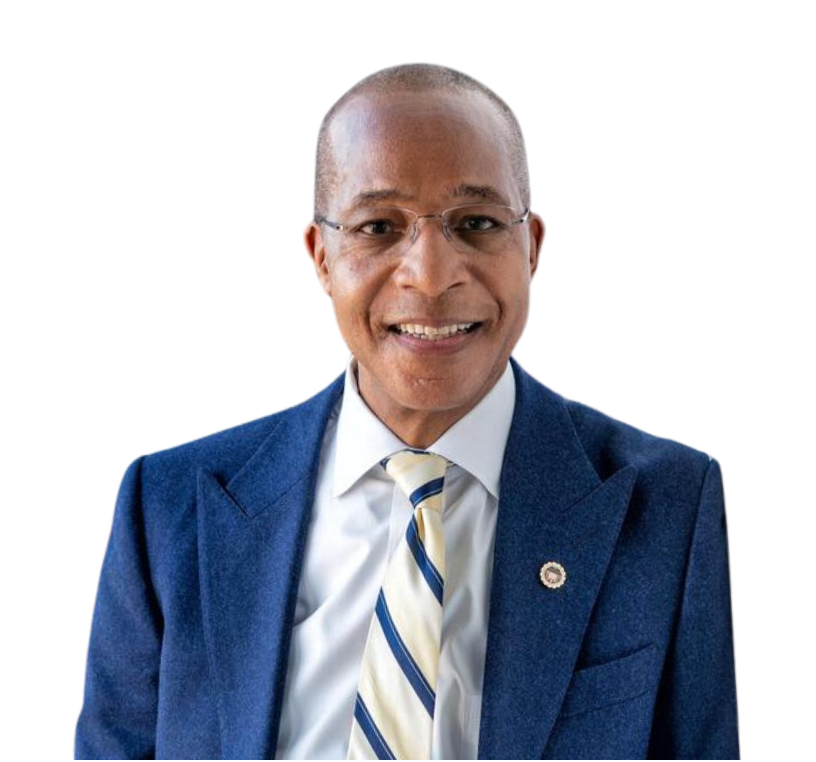
Dr. Bruce Jones serves as the Senior Vice President for Research and is a Chair member at Howard University. He has held two Endowed Chair Professorships and brings over 30 years of experience in higher education and the nonprofit sector. Dr. Jones currently sits on the board of the Northern Israel Center for the Arts and Technology and has previously served on the boards of Family Services America, the Alliance for Children and Families, the National Association of Partners in Education, and the National Policy Board in Educational Administration.
A distinguished evaluator, Dr. Jones has worked with the Arts Conservatory for Teens (ACT) for several years, offering valuable insight into how arts-based learning can influence student success. He began his work with ACT by assessing the program's effectiveness in schools across St. Petersburg, with a focus on student engagement, academic interest, and attendance. Through interviews and focus groups with students, teachers, and administrators, he uncovered ACT’s powerful impact on shifting students’ attitudes toward learning.
The ACT Difference: Experiential and Relationship-Driven Learning
"ACT’s approach is highly participatory—students are actively involved, and this is critical for learning,” Dr. Jones shared. He also emphasized the role of trust between students and teaching artists, noting, “Even with the best curriculum, if there isn’t trust, the learning won’t be effective. ACT mentors are seen as credible role models, which builds a strong foundation for learning.”
He praised ACT’s asset-based model, where students are seen as having strengths, not deficits. “ACT encourages students to recognize their own potential and capabilities,” he said. This mindset creates a positive environment that fosters belonging and growth.
Tangible Outcomes: Attitudes, Attendance, and Achievement
Dr. Jones observed measurable improvement in student attitudes, school attendance, and academic performance. “Students who participated in ACT were more likely to show up to school and be ready to learn. The program’s early morning sessions helped them start the day positively, which translated into better classroom engagement.”
Creativity Meets Career Readiness
In today’s evolving workforce, Dr. Jones highlighted ACT’s value in helping students build real-world skills: “ACT’s curriculum develops critical thinking, problem-solving, and time management, skills essential to any career.”
He also noted how ACT helps students adopt a future-focused mindset. “The experience of working on long-term projects teaches them to think ahead and manage their time, key components of career success.”
A Model for Educational Impact
For Dr. Jones, ACT stands as a model for transformative education, particularly for underserved youth. “Programs like ACT are essential. The Arts are often the first thing cut in schools, but they’re vital for engaging students and fostering a love for learning.”
He concluded, “ACT isn’t just an educational experience, it’s a turning point. It shows what’s possible when we invest in our young people. We need more programs like ACT—because the students who go through it are the future, and they’re ready to make a difference in the world.”